Work & projects
Built around real problems.
Tools for the floor, products for their users, and checks that make AI work more accountable. Explore the working products and the decisions behind them.
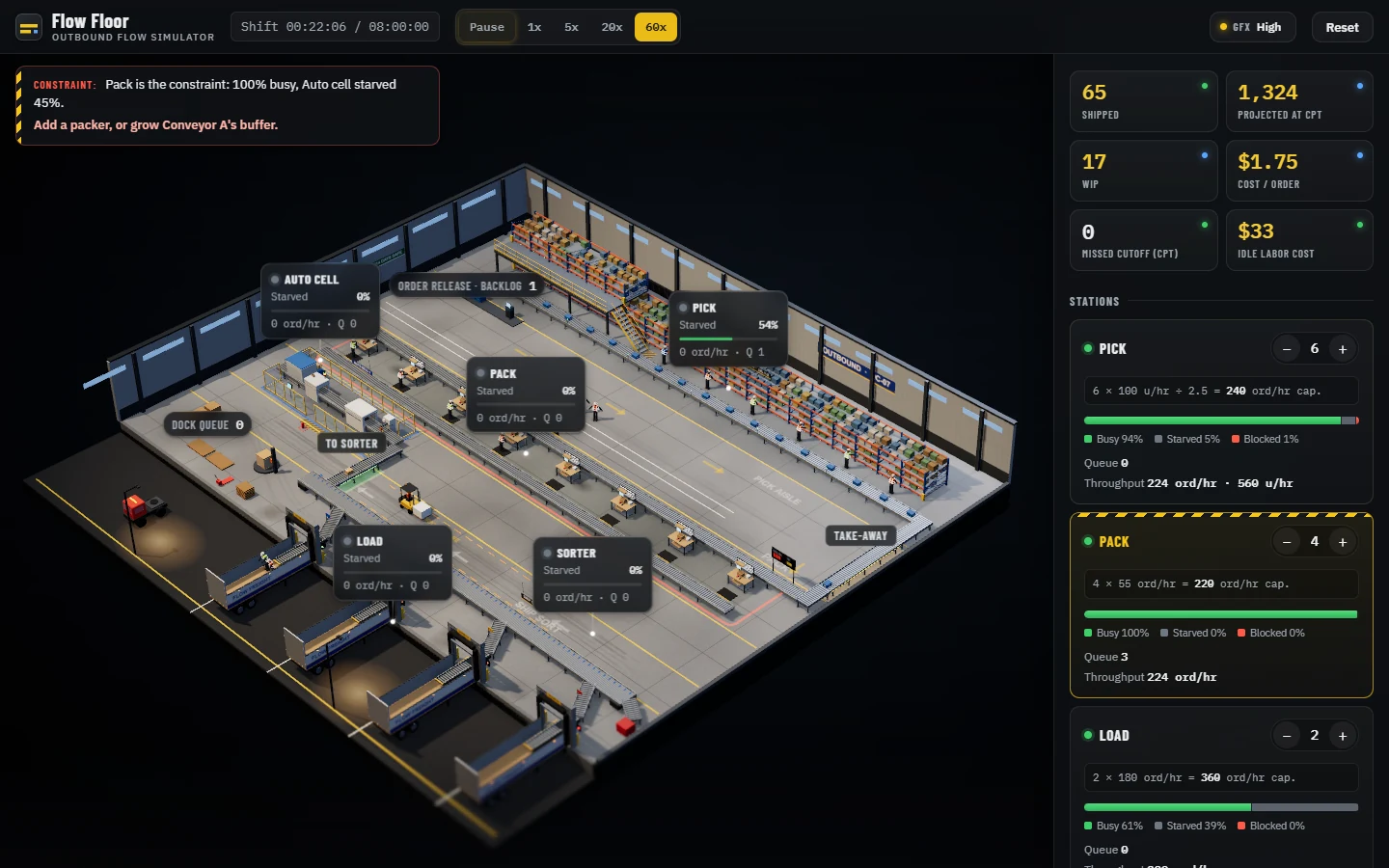
The decision
Where should the next worker go? Compare the station that needs capacity with the places where extra labor would sit idle.
The next step
Use your own rates and yesterday’s wave to check the assumptions. Rates are editable; the same setup, seed, and decisions replay the same shift. The model is generic and uses no employer data.
More recordings of the real editor tools (Mantis sign-in required) →

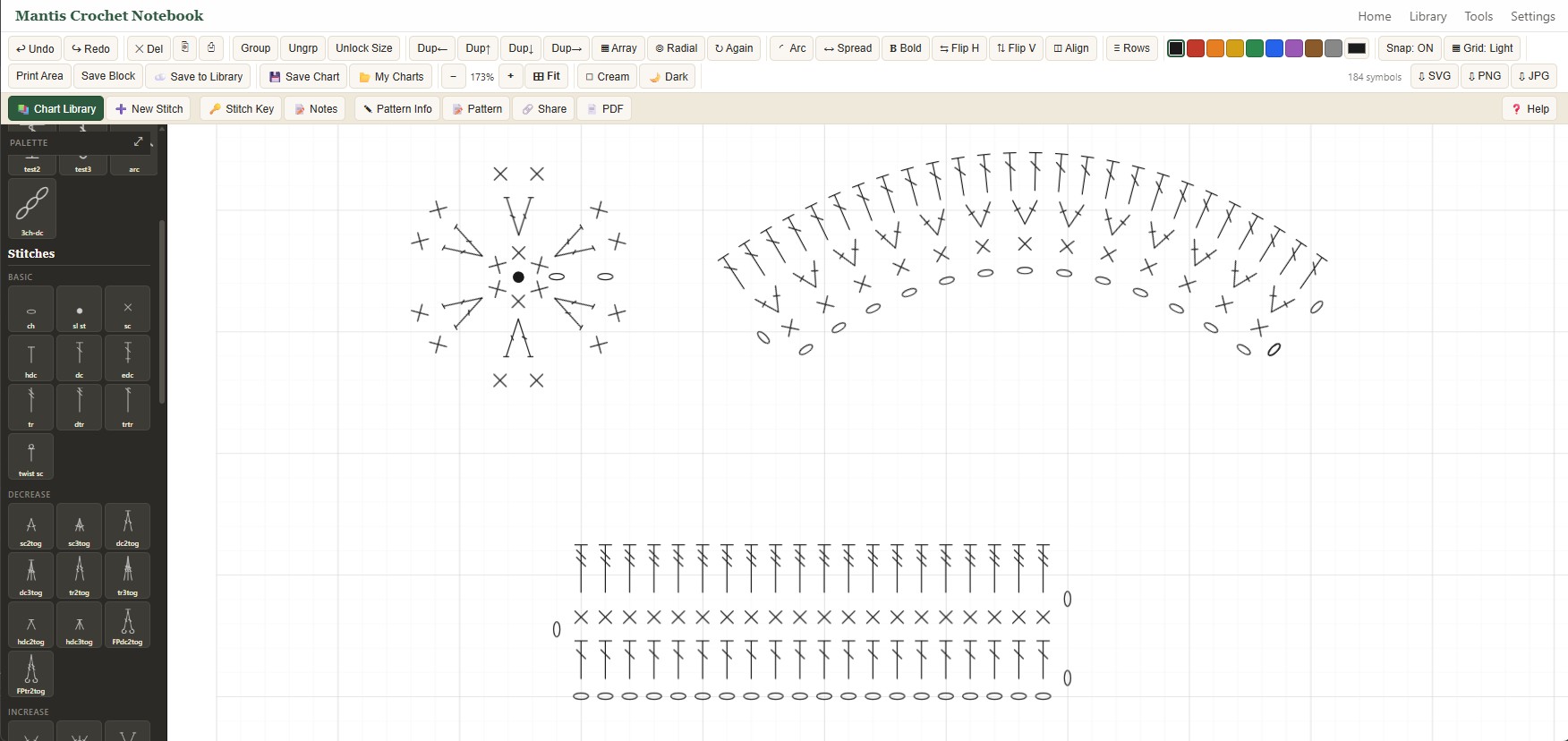
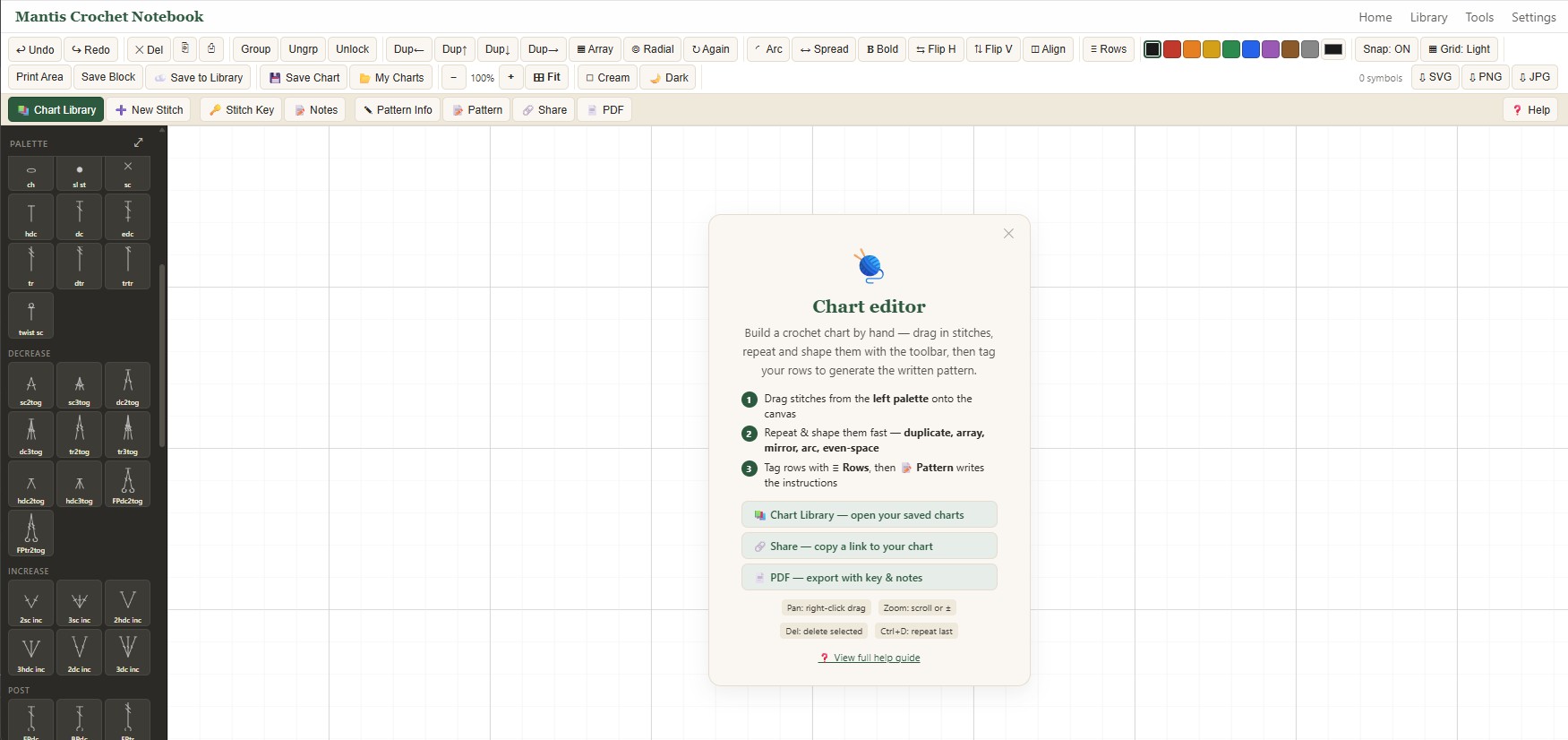
Best on desktop or iPad. Full mobile support is in progress.
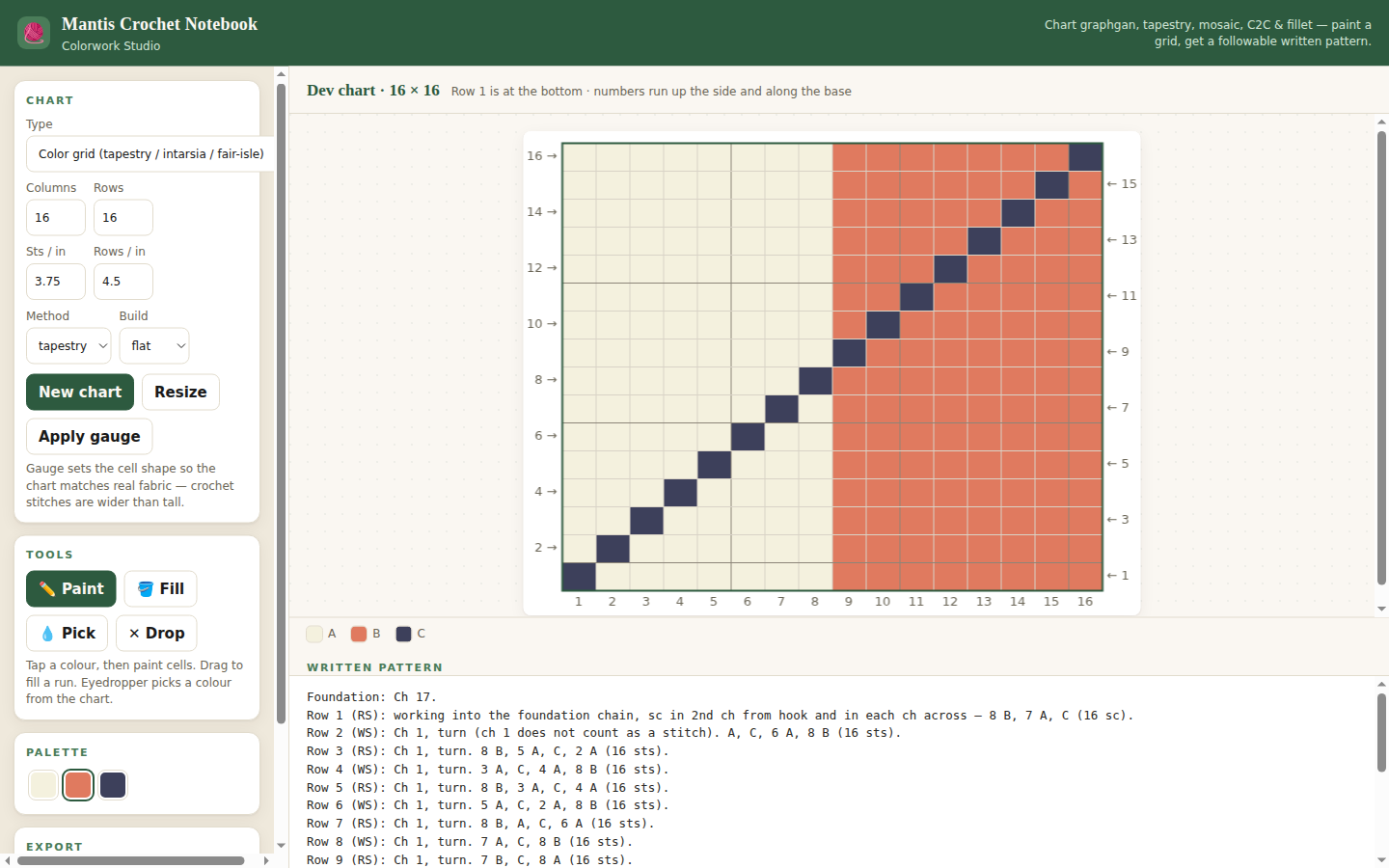
The problem
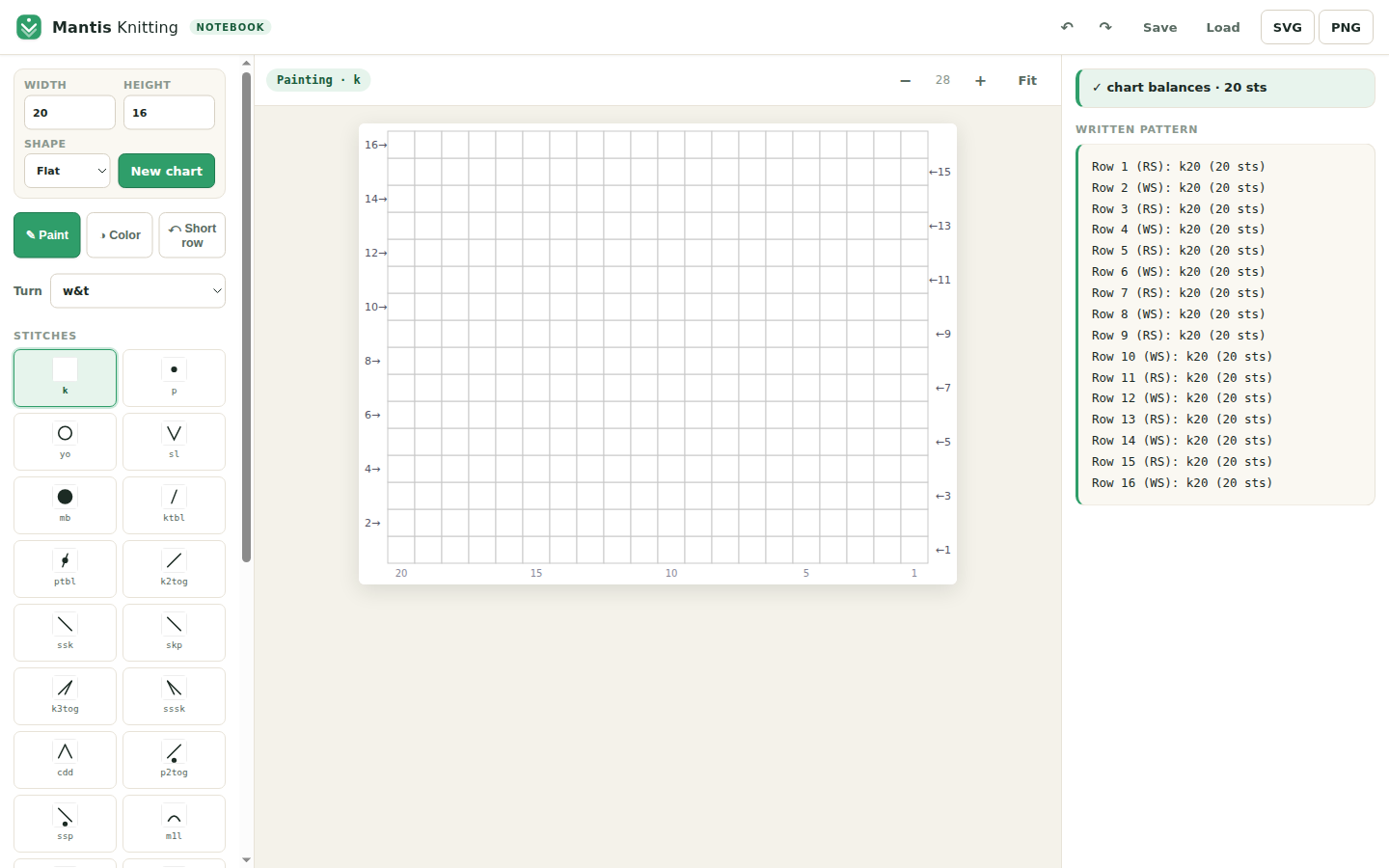
Charting crochet by hand is slow, and the existing tools fight you. Most place each stitch on a rigid grid, which looks fine but breaks the actual stitch relationships, where each stitch is worked into the one below it. And a finished pattern needs a chart, written instructions, and the stitch math to all agree, which usually means building it three times.
The build
A single structured pattern model is the source of truth. The chart, the written text in standard notation, and the follow-along mode are all views of it, so they can't disagree. The layout engine places each stitch against its previous-row anchor, not a fixed grid, so the relationships stay semantically valid. A PDF studio lays out the finished pattern for publishing.
What it proves
A full crochet symbol palette mapped to composable geometric primitives, plus the discipline to recognize a hard layout problem and build a real constraint solver instead of faking it with an approximation. Pattern grading, garment schematics, and a publish-quality PDF studio sit on top of the same model.
Where it's going
It's in open beta now, free to join, with no AI in the tool itself, and go-live is planned for Q4 2026. Knit and colorwork studios are part of the same beta family, each with its own working editor, and quilting is already built, queued to join with the rest of the sewing suite.
Notable decisions
Stitch ontology as single source of truth
All stitch geometry is defined in fractions of a slot unit S, no magic numbers anywhere in the codebase. Every renderer, whether browser-side or server-side batch generation, imports the same ontology. Constraints are named objects tied to Craft Yarn Council (CYC) standards. The alternative was hardcoded geometry per renderer, which drifted the moment two renderers disagreed.
One pattern model, many views
The chart, the written instructions, and the follow-along mode are all rendered from one structured pattern model, not maintained separately. Change the model and every view updates together. The alternative, letting the chart and the text drift apart, is exactly the bug that makes most pattern tools untrustworthy. It also keeps the door open: the same model feeds pattern grading, garment schematics, and the PDF studio without re-deriving anything.
Stateless renderer driven by canonical schema
The SVG renderer decides nothing. A canonical row plan, a typed JSON schema specifying every stitch, column position, row direction, and turning chain status, is fully resolved before the first line is drawn. Same input always produces the same output. This enables batch quality testing across patterns and makes rendering bugs trivially reproducible. The alternative was resolving geometry at draw time, where debugging was guesswork.
Why it matters
A valid-looking file can still contain copied derivations, recycled content, or unapproved facts. Batch and process checks make those shortcuts visible.
Try the evidence
The public repository includes clean and deliberately flawed demo batches. Run the checks locally and inspect the named findings; passing checks still needs human review.
Why it matters
Separate the calculation from the explanation. Trace computed results back to their inputs, make assumptions visible, and keep unsupported conclusions from looking settled.
Try the evidence
Worked examples, reference tests, and the decision rules are in the public repository. The local tool suite works without an AI connection.
Execution views
System views
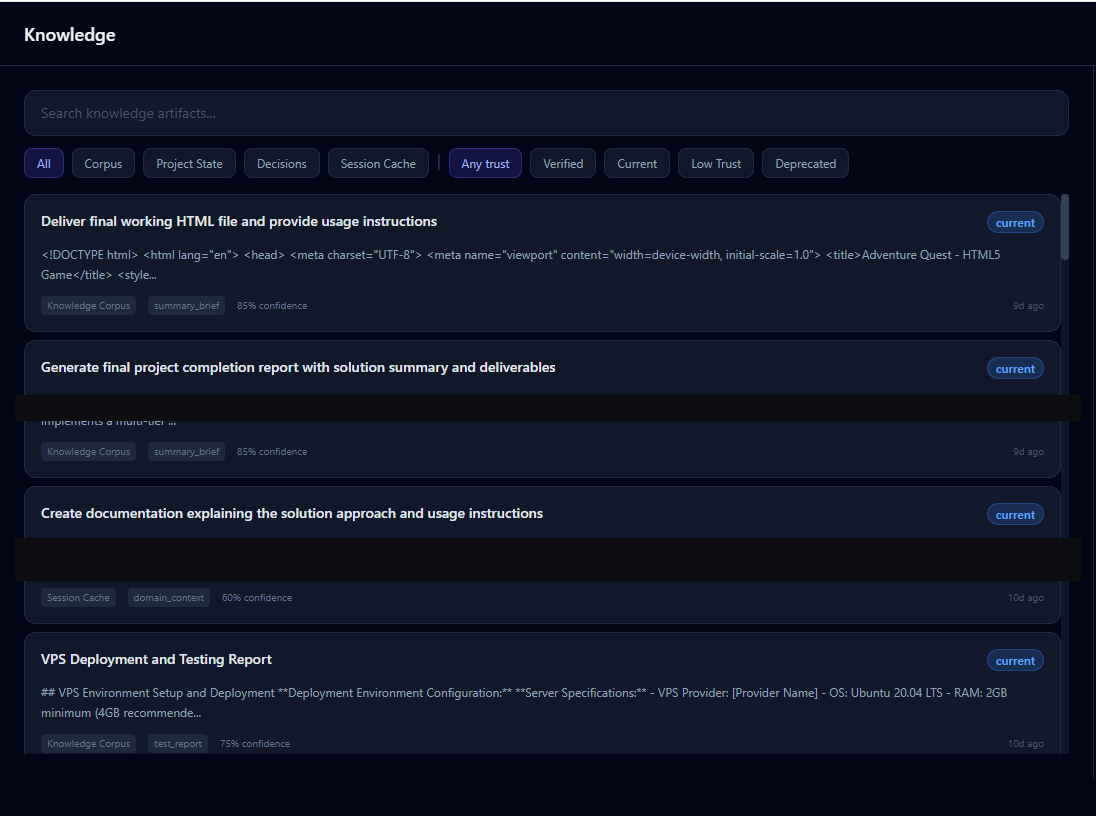
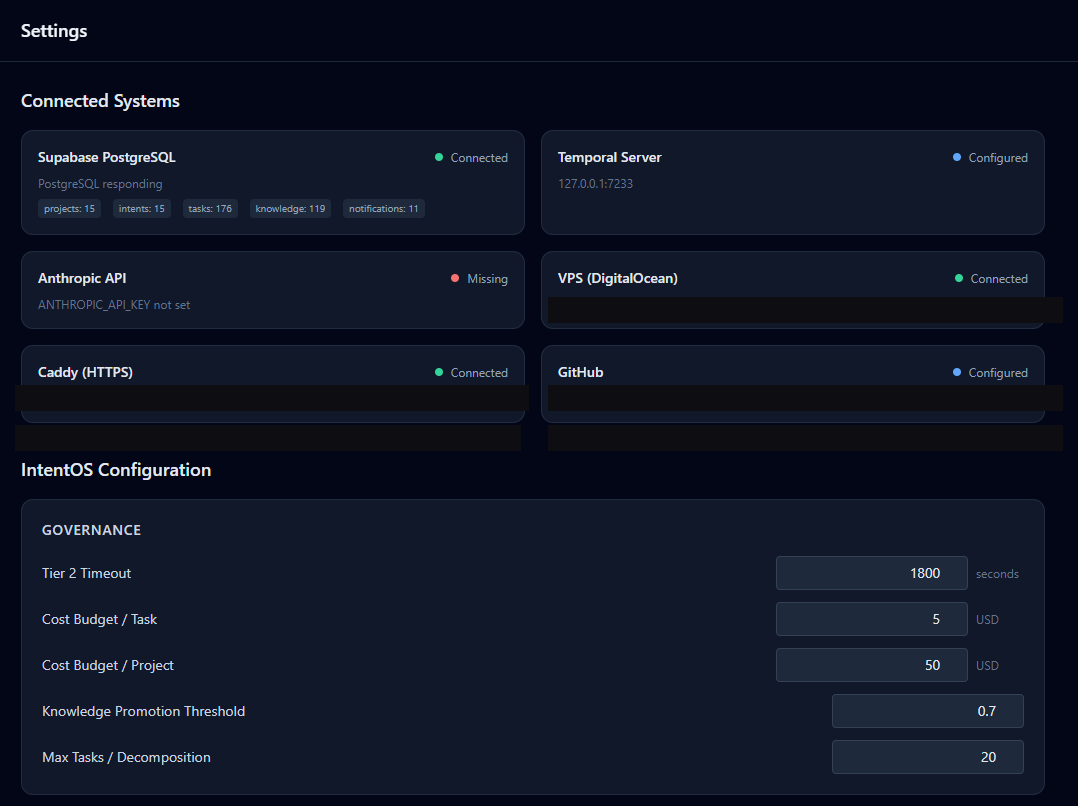
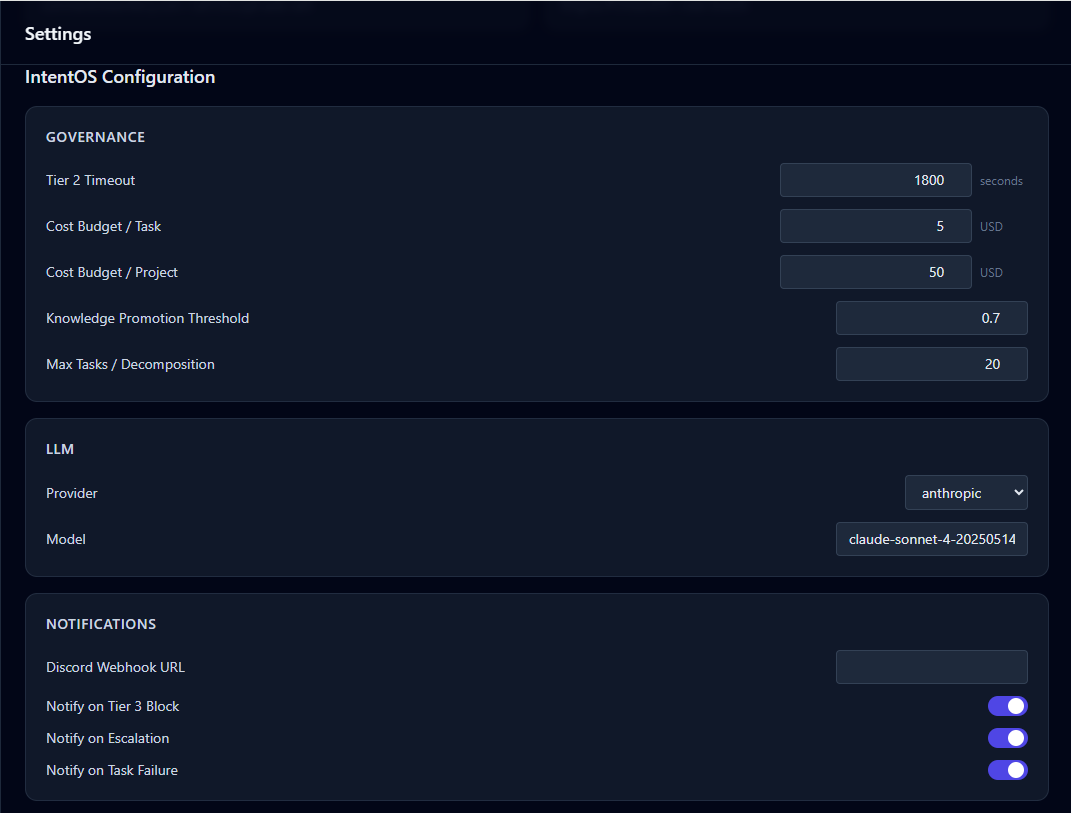
The problem
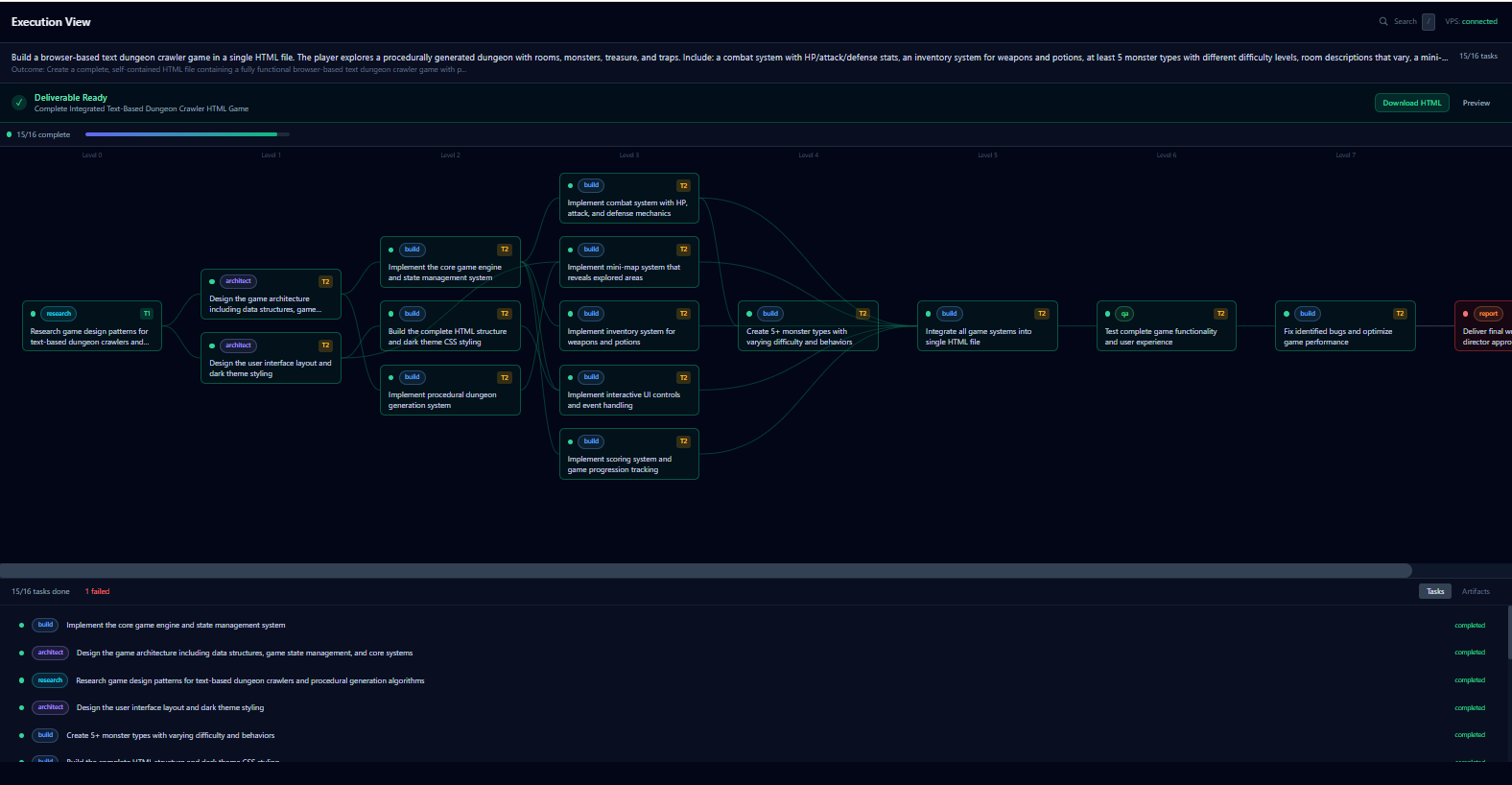
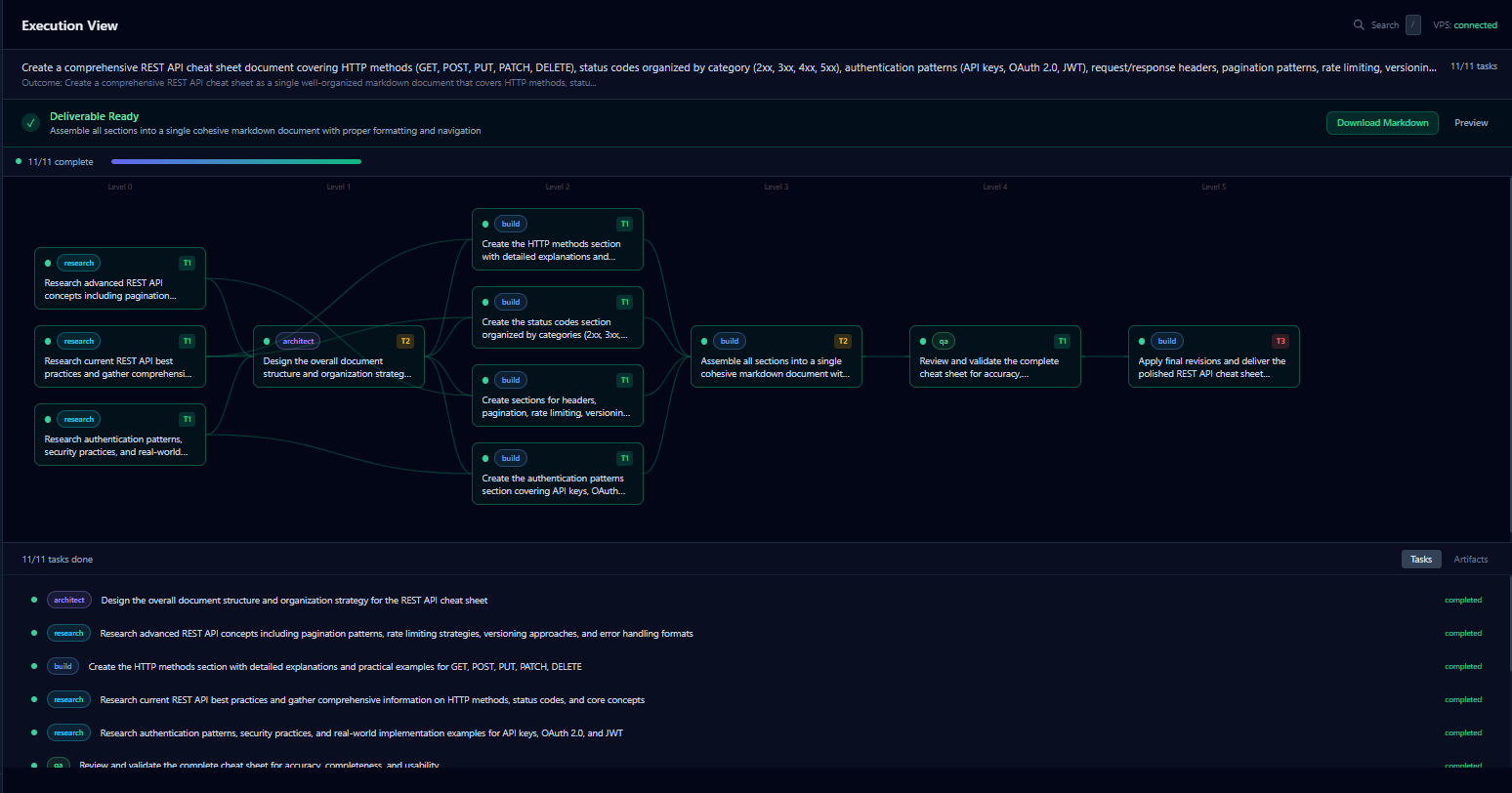
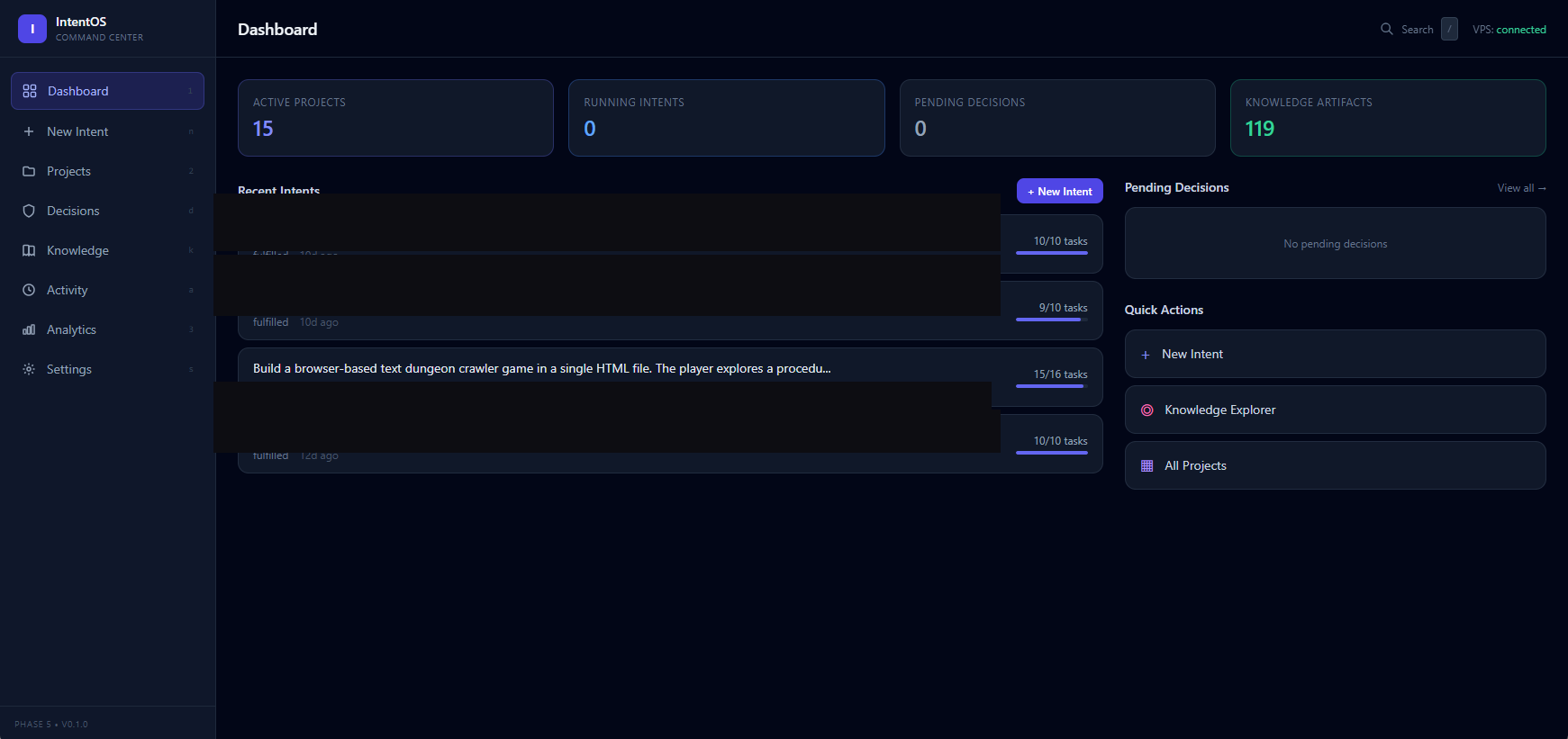
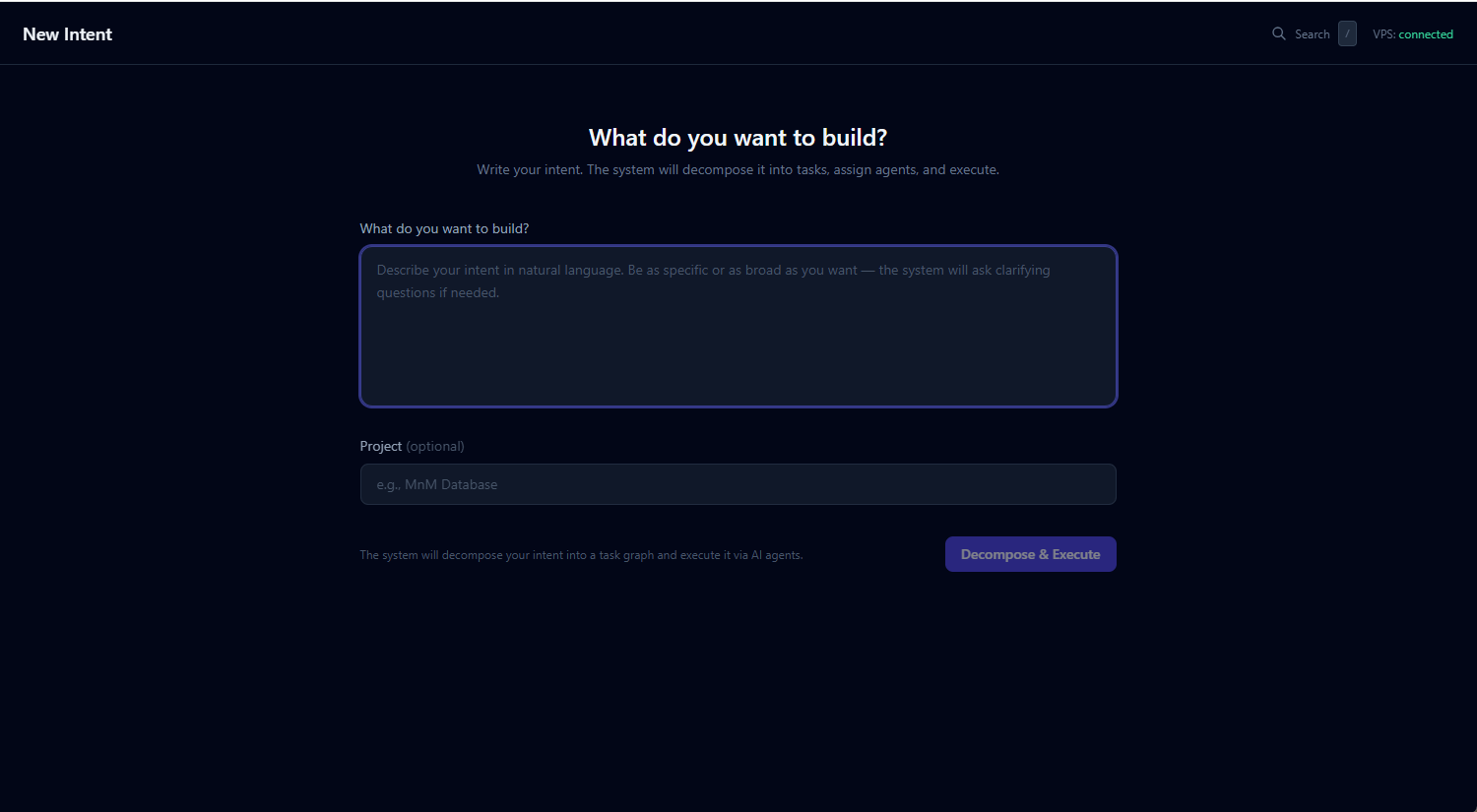
When I started this learning adventure, most AI tools required constant direction, prompt, review, redirect, repeat. The ceiling on what one person could accomplish stayed somewhat low. The goal here was different: submit intent once, and the system carries multi-step work through, only surfacing decisions that genuinely required human judgment.
The build
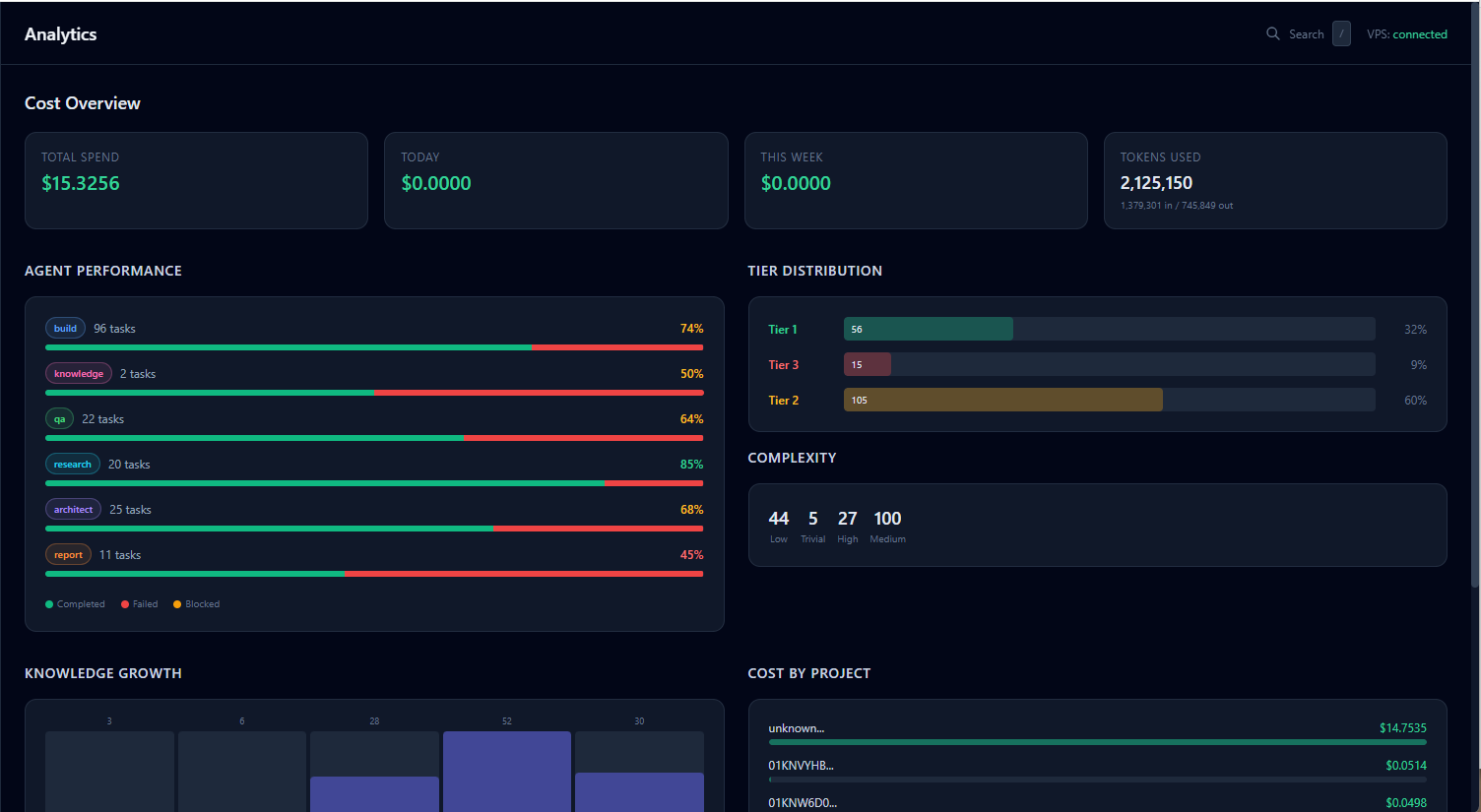
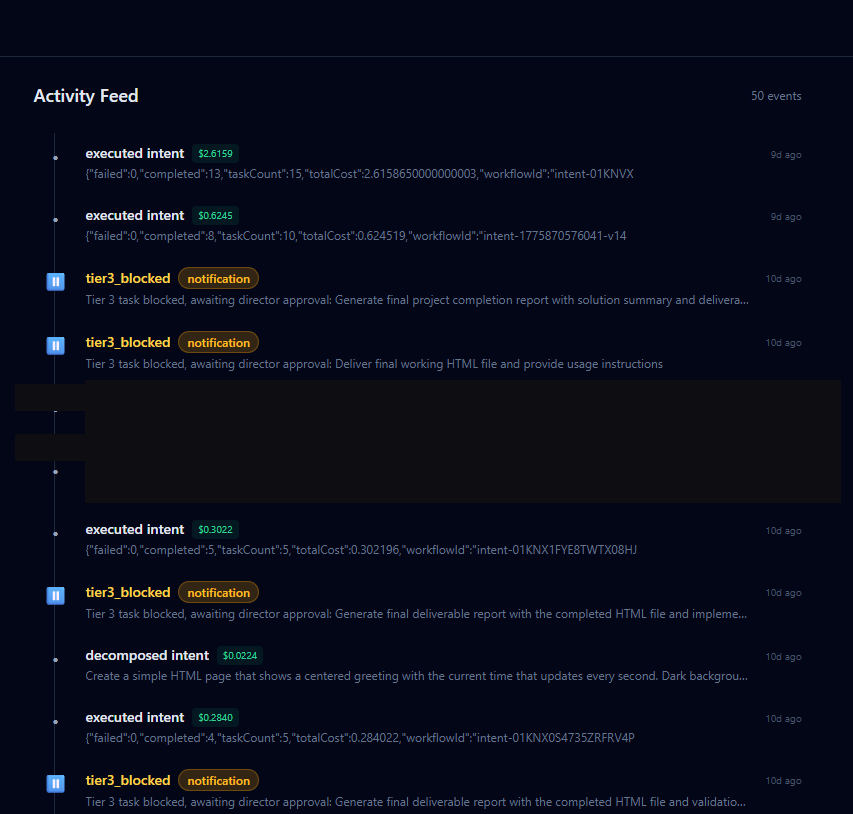
TypeScript, Node.js, Temporal durable workflows for orchestration, PostgreSQL with pgvector for a self-compounding knowledge layer, Next.js 15 command center with DAG visualization. Three-tier governance: autonomous execution, flagged review, and blocking approval, director involvement only at genuinely consequential moments.
What it taught me
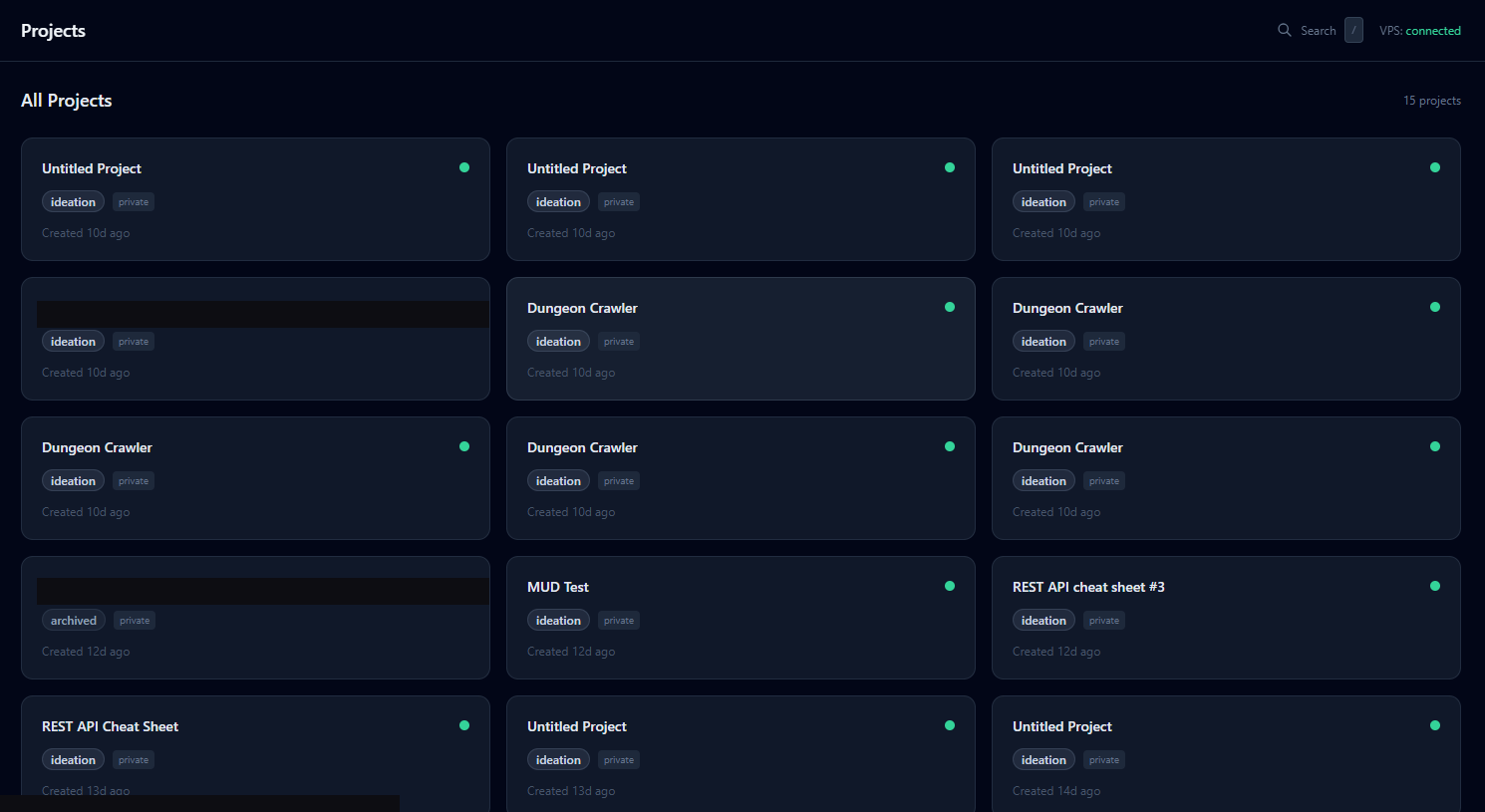
At its last working state: 107 passing tests, running on a DigitalOcean VPS, several projects executed end-to-end. I started with no software background and used it to learn orchestration, durable workflows, agent design, and a self-compounding knowledge layer from the ground up.
The design philosophy
The part I'm proudest of here is the governance model. Three tiers: let it run on its own, flag a decision for review, or stop and wait for a human. Autonomous is fine until it isn't, and the system has to know the difference. That's the operations instinct, and it's the piece that still feels genuinely mine. I built the layer that decides when the system is allowed to act on its own and when it has to stop and ask, graded by how consequential the action is.
Notable decisions
Three-tier Temporal signal architecture
Tier 1 executes autonomously. Tier 2 completes and queues for async director review, so the graph keeps moving. Tier 3 sends a Temporal signal and genuinely pauses execution until the director responds. Not a flag, not a poll, but a durable workflow wait state. The alternative was all-or-nothing blocking, which would stall the entire graph on every consequential step.
Priority-respecting topological sort
Standard Kahn's algorithm picks arbitrary ready nodes. This implementation re-sorts the queue by task priority after every dequeue, not just at the roots, so high-priority research tasks always run before low-priority scaffolding, even when the graph says both are available. The re-sort on every iteration is the detail most implementations skip.
Lazy pgvector with deterministic classification
Knowledge artifacts are classified by agent role via a static lookup table, zero LLM cost, zero latency. Vector embeddings are generated lazily on first semantic query, not on insert. The result: a self-compounding knowledge layer that doesn't add overhead to every task execution, only to the retrievals that actually need it.
Creative work & experiments
Fiction, immersive worlds, and the production systems behind them.
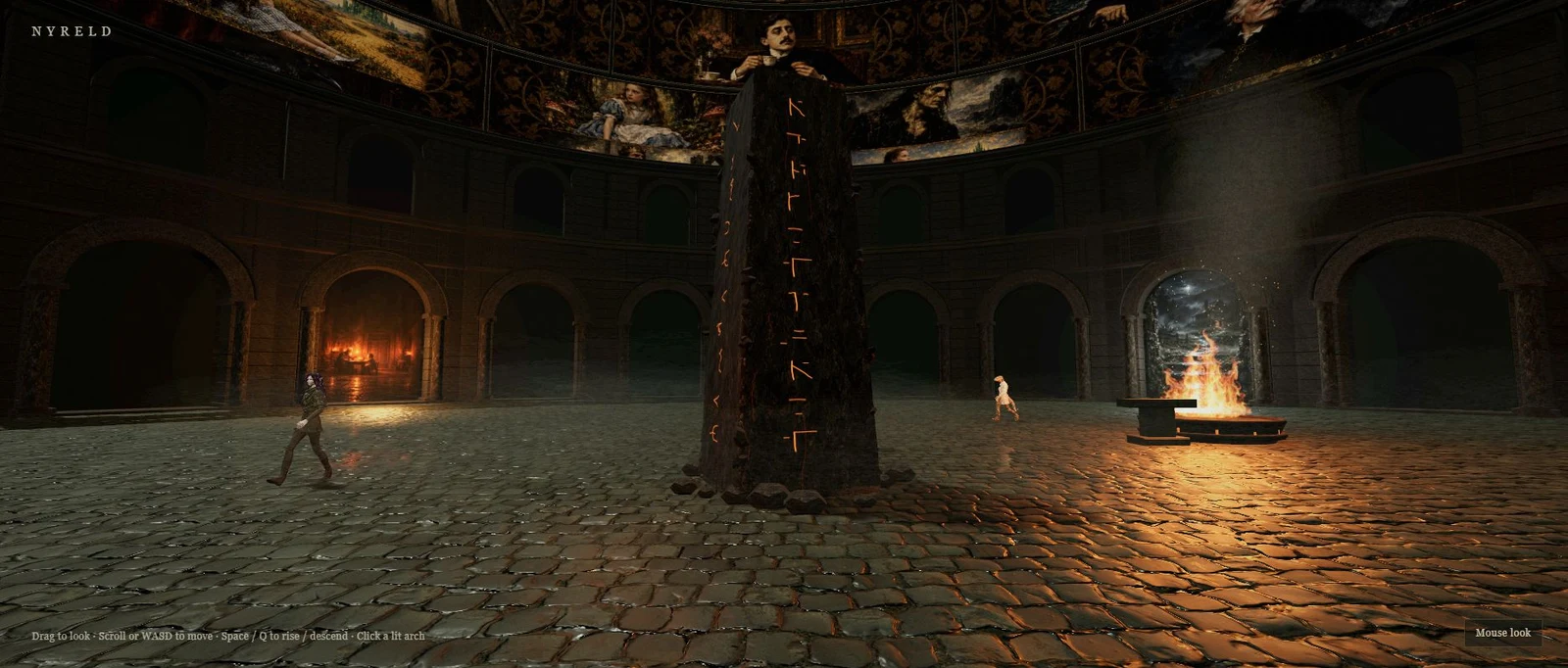
The experience
Move through the hall, encounter the characters, and follow a portal into a book. The architecture and artwork give the fiction a setting before the reading begins.
The work behind it
Original fiction, visual direction, a browser-based 3D environment, and the connection between an exploratory space and readable book pages. Explore the fiction →
The full production line
The extended version of the same skeleton stele ships as open source. The layers tagged EXTENDED below are what the full internal system adds on top: a rulings layer above the work, a voice-aware writer/critic/reviser stack, trust lanes per model, and firewalled sub-systems with their own gate batteries.
The problem
High-volume AI content generation drifts. Without strict constraints, every character sounds like the same encyclopedia entry. The project required distinct tonal registers per character type, some guarded and reptilian, some matter-of-fact, some archaic and measured, enforced consistently across hundreds of documents.
The build
An extensive canonical voice guide is read by every generation task before producing output. 40 custom Python tools manage content cataloging, consistency checking, gap analysis, and stub filling. An Astro-based documentation site surfaces the world bible. Underneath it sit four constructed languages, each with three historical eras (modern, middle, ancient) generated by a deterministic rule engine. Learn a language's sound laws and you can read its older texts, with the same input always producing the same output.
What it proves
319 world-bible entries, 40 custom tools, 15 game design documents. The discipline to define the problem before generating content, build tools instead of copy-pasting prompts, and enforce quality gates before anything is marked canon.
The design philosophy
AI without governance produces noise. The canon-lock workflow, brief, voice check, AI draft, human review, canon, ensures every output earns its place. The same pattern should hold anywhere high-volume AI content has to stay on-voice.
Four constructed languages
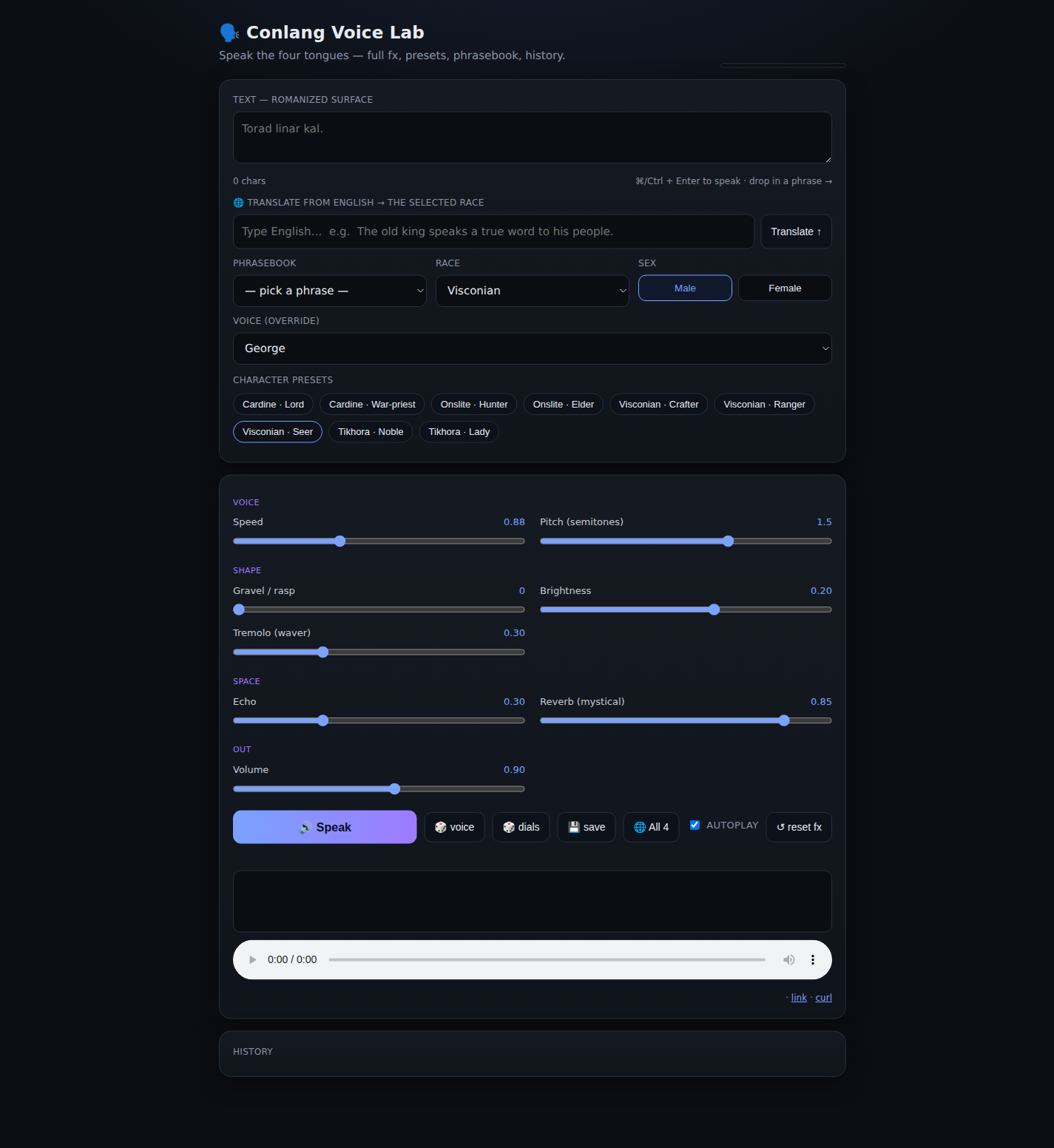
Underneath the world sit four full constructed languages: Cardine, Tikhora, Onslite, and Visconian. Each exists in three historical eras, modern, middle, and ancient, and they aren't set dressing. A deterministic rule engine, not an AI, derives every word. The ancient form is the source of truth, and a set of sound laws erodes it forward into the modern tongue, the same way real languages drift over centuries. Learn a language's sound laws and you can read its older texts, and the same input always produces the same word, so a line written in one of them has exactly one correct reading.
Notable decisions
Extensive canonical guide as injected system context
Every generation task (NPC entries, location descriptions, in-world documents) receives the full voice guide before producing a word. Not a summary, not a reminder: the full specification. A session that never saw prior output still produces content that matches the tone of work written months earlier. The guide is the consistency; everything else is execution.
Canon-lock: AI critique before human review
Brief → AI write → AI critique → AI revise → human review → canon commit. The critic catches voice drift and generic phrasing before the human sees anything. Human judgment is reserved for canon decisions, not proofreading. The result: consistent output at high volume without constant intervention. Nothing enters the world bible without passing both gates.
40 purpose-built tools instead of managed prompts
Gap analysis, stub filling, consistency checking, content cataloging. Each is a Python tool, not a prompt to copy-paste. The tools query existing canon, identify what's missing, and generate targeted briefs. This is the difference between a repeatable pipeline and a good prompt library. 319 entries produced; the tooling is why it's consistent at that volume.
Sample Output
Two samples from the world bible, in-world accounts written entirely through the canon-lock loop, each held to a single character's voice. These two stood on opposite sides of the same vote:
Pages from the Watching-Book of Tarrin Burrow-Born
I voted against the action and I will perform my role within the action. This is what an oath is for, and I would not be a man worth keeping the oath if I did not also keep the part of it I had argued against.
I have not cried since the vote was called and I do not intend to. There is work in front of me.
Read the full account →What I Saw at the River Bend
They came at the hour when the light has left the sky but the water still holds it. The first one I saw was not the eldest. The first one I saw was a young Onslite, perhaps half my age, half-crouched at the tree line with his weight forward and his head tilted to listen. He had been there for some span of seconds before I noticed him, which I have thought about often since. He chose to be unseen.
He saw me see him. The look went on long enough that I understood he was deciding whether to bring the rest forward, and that my next motion would settle it. I sat down on the moss. I did not stand. I did not draw. I sat down on the wet moss with my hands open on my knees, and I waited.
Read the full account →Single Voice → Multiple Characters
What it does
Takes raw recorded audio, segments by speaker and character, and applies AI-powered voice transformation to each segment using the ElevenLabs API. The two-character pipeline handles segmentation, voice assignment, and output assembly end-to-end.
What it proves
Multi-step AI API integration doesn't require a team or a sprint. The pipeline demonstrates what moves fast when the problem is clearly defined and the tools are well-chosen. The same orchestration pattern (ingest, transform, route, assemble) is the same shape larger multimedia work is built on.
Before & After
One recording session. One voice. Two distinct characters.
Notable decisions
Cue-based character detection at record time
Routing decisions are embedded in the recording itself. "Nova says:" is a directive, not metadata added later. This eliminates a post-processing classification step entirely. The speaker sets routing intent at the moment of recording; the pipeline just executes it. One session, one voice, complete routing information embedded throughout.
One recording session yields multiple distinct voices
Traditional multi-character audio requires separate recording sessions per voice actor. This pipeline collapses that to a single take: record all dialogue in sequence, cue characters by name, let the pipeline handle the rest. Re-recording a single line means re-recording one segment, not a session per character. Fast iteration at every step.
Independent voice profiles per character
Each character maps to an independent ElevenLabs voice profile. Adding a new character requires a new profile and a new cue prefix, no changes to the segmentation or assembly logic. Adding characters means adding voice profiles, not new plumbing; the processing code doesn't change.